What to Do After Property Damage in Florida | The Claim Company
Learn what Florida homeowners should do after property damage, from documenting the loss to contacting a licensed public adjuster for claim support.
Property Insurance Claims
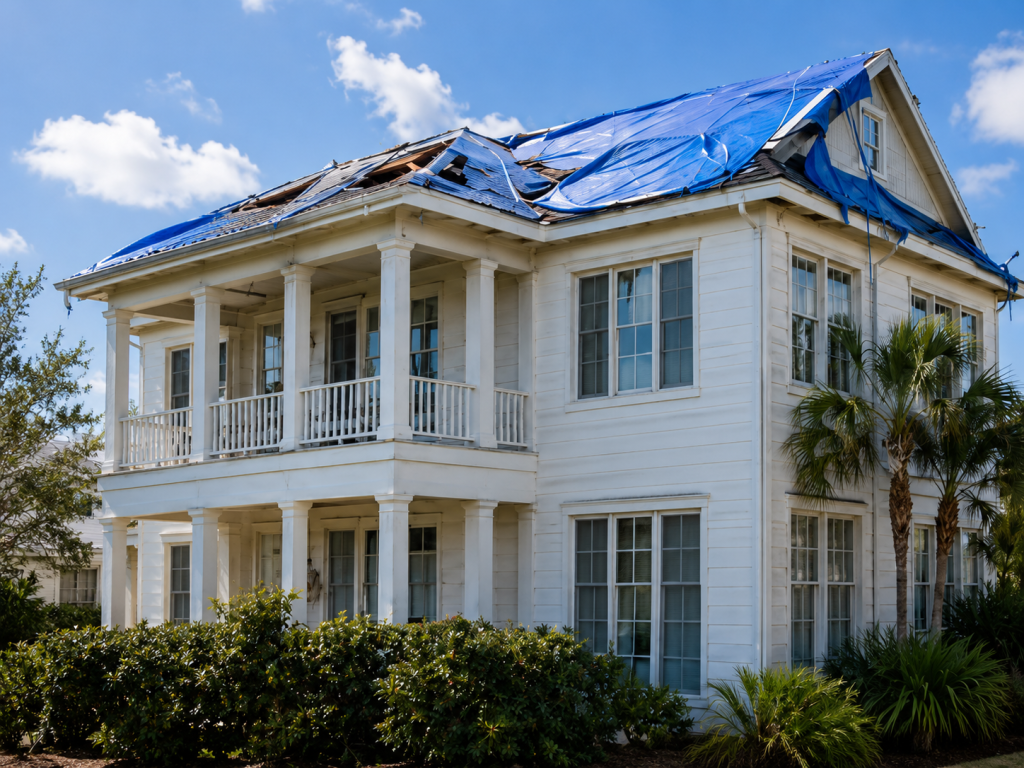
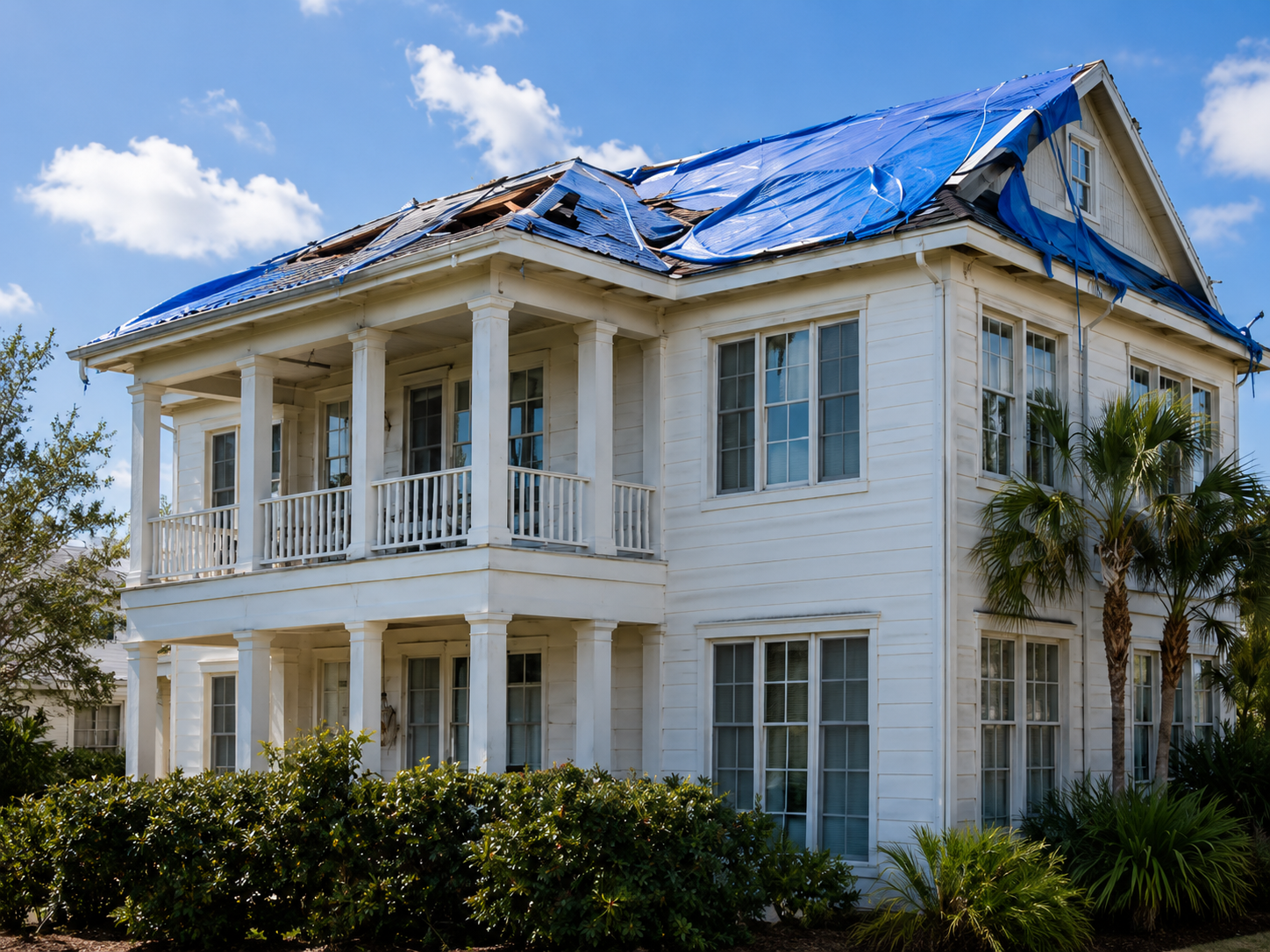
When property damage happens, it can feel overwhelming. Whether the damage was caused by a storm, hurricane, roof leak, burst pipe, fire, or another unexpected event, most homeowners are left asking the same question: What should I do next?
In Florida, property damage claims can become complicated quickly. Insurance companies may require specific documentation, detailed photos, estimates, deadlines, and policy information before making a decision. That is why taking the right steps from the beginning can make a major difference in how your claim is handled.
At The Claim Company, we help Florida homeowners navigate the insurance claim process with clarity, professional guidance, and dedicated advocacy.
1. Make Sure Your Home Is Safe
Before thinking about paperwork or insurance, focus on safety. If there is active water intrusion, electrical damage, fire damage, structural issues, or unsafe conditions, avoid entering the damaged area until it is safe.
If needed, contact emergency services, a qualified contractor, or a mitigation company to help prevent further damage. Homeowners often have a responsibility to take reasonable steps to protect the property from additional loss.
2. Document the Damage Immediately
Documentation is one of the most important parts of a property insurance claim. Take clear photos and videos of all visible damage before anything is moved, repaired, cleaned, or thrown away.
Try to capture:
- Wide shots of the affected area
- Close-up photos of the damage
- Damaged walls, floors, ceilings, roofing, furniture, or belongings
- Water stains, leaks, cracks, mold signs, or structural issues
- Any temporary repairs made to prevent further damage
The more organized your documentation is, the easier it may be to explain the extent of the loss.
3. Avoid Throwing Away Damaged Items Too Soon
After property damage, many homeowners want to clean up quickly. However, throwing away damaged materials or personal belongings too early may make it harder to support your claim.
If possible, keep damaged items until they are photographed, documented, or inspected. If something must be removed for safety reasons, take photos and make a list before disposal.
4. Review Your Insurance Policy
Your policy contains important information about what may be covered, what may be excluded, and what responsibilities you have as the homeowner.
However, insurance policies can be confusing. Terms, limits, deductibles, exclusions, and coverage details may not be easy to understand. This is where a licensed public adjuster can help review the policy and explain the claim process more clearly.
5. Report the Claim Carefully
When reporting your claim, be accurate and avoid guessing. Stick to what you know and what you have observed. If you are unsure about the full extent of the damage, it is better to say that the damage is still being evaluated.
Homeowners should avoid making statements that minimize the loss before a full inspection has been completed.
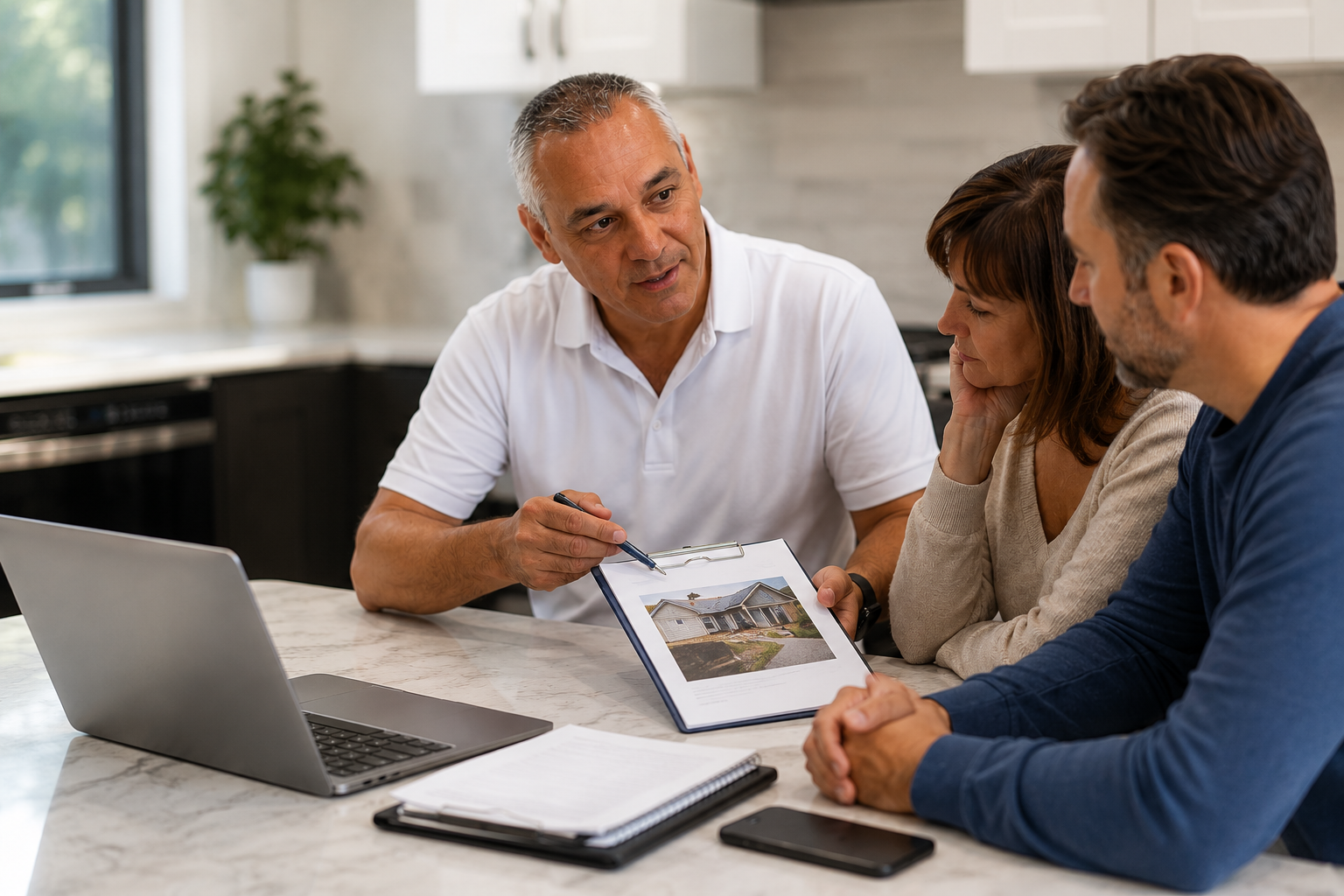
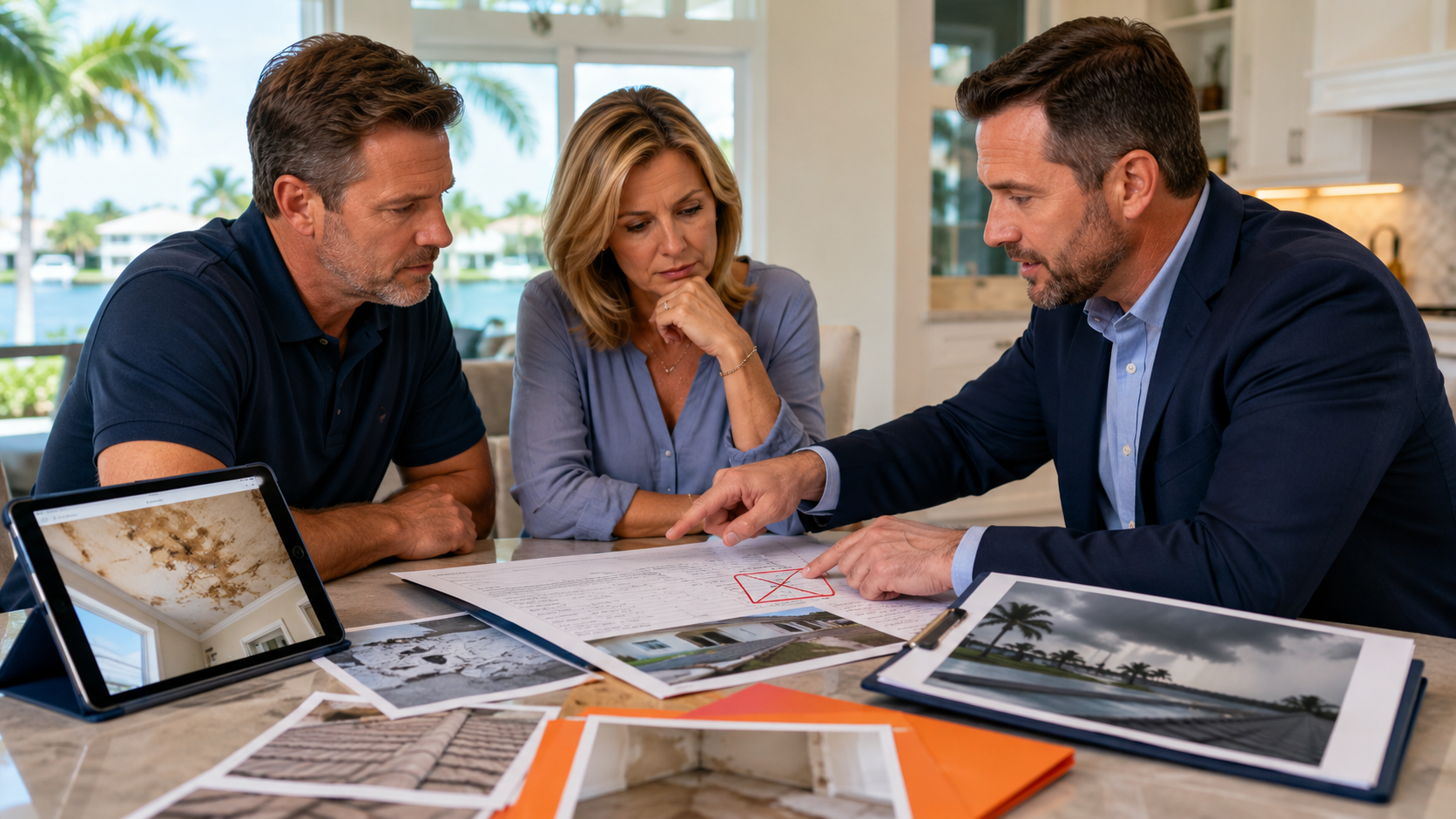
6. Get Professional Claim Guidance
Insurance companies have adjusters working on their side. A public adjuster works for the homeowner.
The Claim Company helps homeowners by:
- Inspecting the property damage
- Reviewing claim details
- Helping document the loss
- Preparing supporting evidence
- Communicating with the insurance company
- Advocating for a fair claim resolution
If your claim is delayed, denied, underpaid, or confusing, professional support can help you understand your next step.
7. Do Not Accept a Low Offer Without Review
Sometimes homeowners receive a settlement offer that does not seem to match the damage. Before accepting a payment or signing documents, consider having your claim reviewed by a licensed public adjuster.
A low offer may happen because damage was missed, documentation was incomplete, or the insurance company’s estimate did not fully reflect the scope of repairs.
8. Keep Records of Everything
Throughout the claim process, keep copies of:
- Photos and videos
- Insurance letters
- Emails and claim documents
- Repair estimates
- Receipts
- Contractor notes
- Temporary repair invoices
- Communication with the insurance company
Organized records can help support your claim and reduce confusion later.
Property damage is stressful, but the steps you take early can help protect your claim. Document everything, understand your policy, keep records, and do not face the insurance company alone if the process becomes difficult.
The Claim Company is here to help Florida homeowners take the next step with confidence.
Need help with a property damage claim? Contact The Claim Company today for a free claim review.
Property Insurance Claims, Florida Property Damage, Home Insurance Claim, Public Adjuster Florida, Property Damage Claim, Florida Homeowners Insurance, Insurance Claim Help, Storm Damage Claim, Water Damage Claim, Roof Damage Claim
#PropertyInsuranceClaims #FloridaHomeowners #PublicAdjuster #FloridaPublicAdjuster #PropertyDamage #InsuranceClaimHelp #HomeInsuranceClaim #StormDamage #RoofDamage #WaterDamage #TheClaimCompany